The Smart Investor's Guide to Buying Luxury Property Outside the GCC
Every month you sit on the fence, the good deals get further away. Greece just doubled its investment threshold in its top cities. Portugal quietly removed real estate from its golden visa. Spain shut the whole program down. The people who moved early are already sitting on lower prices and residency status that literally does not exist for new applicants anymore.
Every month you sit on the fence, the good deals get further away. Greece just doubled its investment threshold in its top cities. Portugal quietly removed real estate from its golden visa. Spain shut the whole program down. The people who moved early are already sitting on lower prices and residency status that literally does not exist for new applicants anymore. Everyone else is watching the options shrink in real time.
That is the vibe of the luxury real estate market outside the GCC right now: fewer routes in, tighter rules, and prices climbing in the cities everyone actually wants. If you are a GCC-based buyer and this has been a "someday" idea, the window to lock in today's terms is closing faster than people realize. Want to see what is out there right now? Browse live Da1 Hotels and Resorts listings while these numbers are still current.
For years, buyers from the GCC thought Saudi Arabia, the UAE, Qatar, Kuwait, Oman, and Bahrain mostly kept their money close to home in Dubai towers and Riyadh villas. That is still happening. But a new trend is stacking on top of it. More GCC families, founders, and family offices are now putting money into homes abroad: London, Lisbon, Marrakech, Miami, and increasingly Zanzibar. Some want a second passport. Some want their kids near a good university. Some just want their money somewhere that is not tied to oil prices or regional news cycles.
This guide breaks down what is actually going on, what it costs, and the mistakes that trip up first-time buyers abroad.
What's Driving GCC Money Abroad
Why GCC Investors Are Looking Outside the Region
The GCC market itself is still doing fine. Saudi Arabia and the UAE keep pulling in investment thanks to more supply and more options, and money flowing out of the GCC into places like the UK is expected to keep growing through the end of 2026. So this is not "GCC real estate is falling off." It is more like diversifying so all your eggs are not in one basket.
Three things are driving this shift:
Spreading Out Currency Risk
Holding property in euros, pounds, or dollars gets you exposure outside the Gulf currency zone, which is mostly pegged to the dollar anyway, but still tied to what happens regionally.
Kids and Lifestyle
Families with children studying in the UK, US, or Europe often end up buying instead of renting once they know that city is part of the plan long term. A place abroad stops being a flex purchase and becomes a practical one.
Residency and Mobility
Buying the right property, in the right country, can still open the door to residency, and sometimes an eventual path to citizenship. This part has changed the most in the last two years, so it gets its own section below. Timing matters more here than almost anywhere else, and it is one of the reasons a market like Zanzibar has started coming up in more conversations with GCC buyers.
The Golden Visa Game Has Changed, Catch Up Before You Buy
If your idea of "buy a home, get a visa" is from a few years ago, it is outdated. Spain fully shut down its golden visa in April 2025, ending a program that had over 14,000 investors sign up over a decade. Portugal pulled residential property out of its golden visa back in 2023, so that classic "buy a 500k euro flat in Lisbon, get residency" move does not exist anymore. Greece kept its property route but basically doubled the price of entry in its top cities. If you are still comparing options using old numbers, you might be aiming at a door that already closed.
Where Things Stand in 2026
Here is where things actually stand in 2026:
| Country | Minimum Investment | Real Estate Eligible? | Path to Citizenship | Physical Presence Required |
|---|---|---|---|---|
| Portugal | 500,000 euros (regulated fund only) | No, removed in 2023 | 5 years (law pending to extend to 10) | 7 days per year |
| Greece | 400,000 euros standard, 800,000 in Athens, Thessaloniki, Mykonos, Santorini | Yes | 7 years, needs actual residence | Minimal, but full residence needed for citizenship |
| Spain | Closed since April 2025 | No | Not applicable | Not applicable |
| Malta | From 150,000 euros with contributions (citizenship route was struck down by the EU's top court in April 2025) | Limited | Residency only now | Varies |
| Italy | 250,000 euros startup investment or 500,000 real estate | Yes | 10 years | Varies by permit type |
| Hungary | From 250,000 euros | Yes, via approved routes | Standard naturalisation timeline | Low |
| UAE | AED 2,000,000 property | Yes | Not applicable, residency only | Low |
| Zanzibar | USD 100,000 in an approved project | Yes | Not applicable, residency only | Low |
The Takeaways
A few takeaways. Portugal is still solid because of the low presence requirement and a decent citizenship timeline, but you are investing in a fund now, not buying an actual flat. Greece is basically the last spot in Europe where buying a real home still gets you residency, but you are paying premium prices for it in the cities people actually want. Spain and Malta are off the table if citizenship through property was the plan. Zanzibar is quietly one of the more accessible routes left standing, a much lower entry point than Europe, and it comes with a residency permit that covers your spouse and up to four children.
Where the Smart Money Is Actually Going
London and the UK
Central London prices are still well below their 2014 peak, even after years of steady demand. That gap is exactly why buyers who care about long-term value keep coming back. The market is a bit more cautious now after years of tax changes, but London still has something most luxury markets do not: legal stability, English-speaking courts, and schools GCC families already trust.
The United States
International interest in US luxury housing has basically doubled in the first half of 2026 compared to last year, per Coldwell Banker's data. Buyers want bigger properties, more land, and more privacy; the industry is calling it "landmaxxing" now. Miami, parts of Texas, and coastal California are the go-to spots for Gulf-based buyers, mostly because of existing business and family connections there.
Marrakech, Morocco
This one is genuinely worth a look if you want to get in early on something outside the usual European hotspots. Morocco pulled in close to 20 million visitors in 2025 and is aiming for 26 million by 2030, backed by a tourism investment plan worth over MAD 6 billion. Villas in the Palmeraie and restored riads in the Medina appeal to people looking for either rental income or a cheaper lifestyle property. Some forecasts point to double-digit growth in the luxury apartment segment for 2026, but always double-check any projection against current listings and a real valuation before committing.
Zanzibar, Tanzania
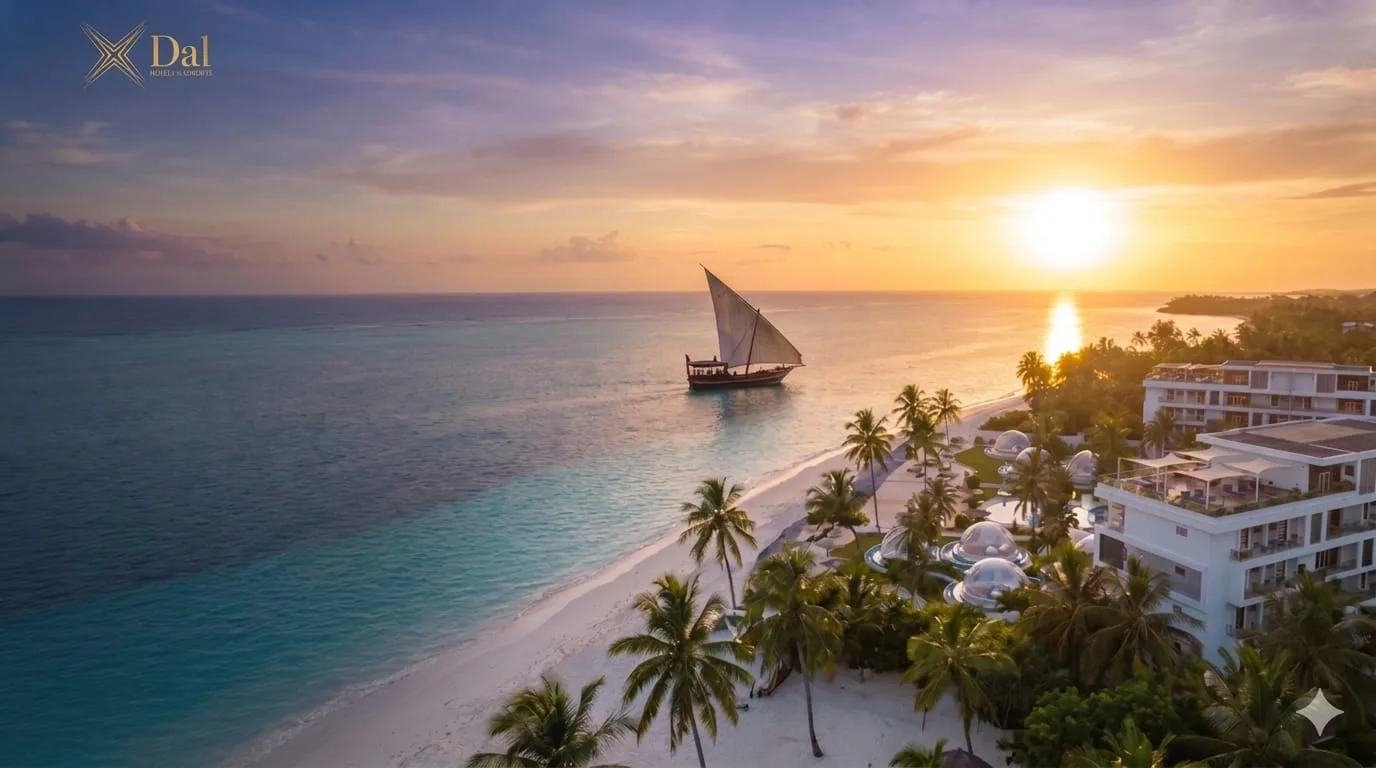
This is the one flying under most people's radar right now, and it probably should not be. Zanzibar pulled in over 917,000 international visitors in 2025, up from around 737,000 the year before, and occupancy has been running near 87 to 89 percent during peak months. Tourism already makes up close to 29 percent of the island's GDP and about 80 percent of its foreign exchange earnings, so the government has real incentive to keep courting foreign buyers. International brands like Hilton, TUI, and Minor Hotels have already moved in, which is usually a sign the underlying market has been vetted.
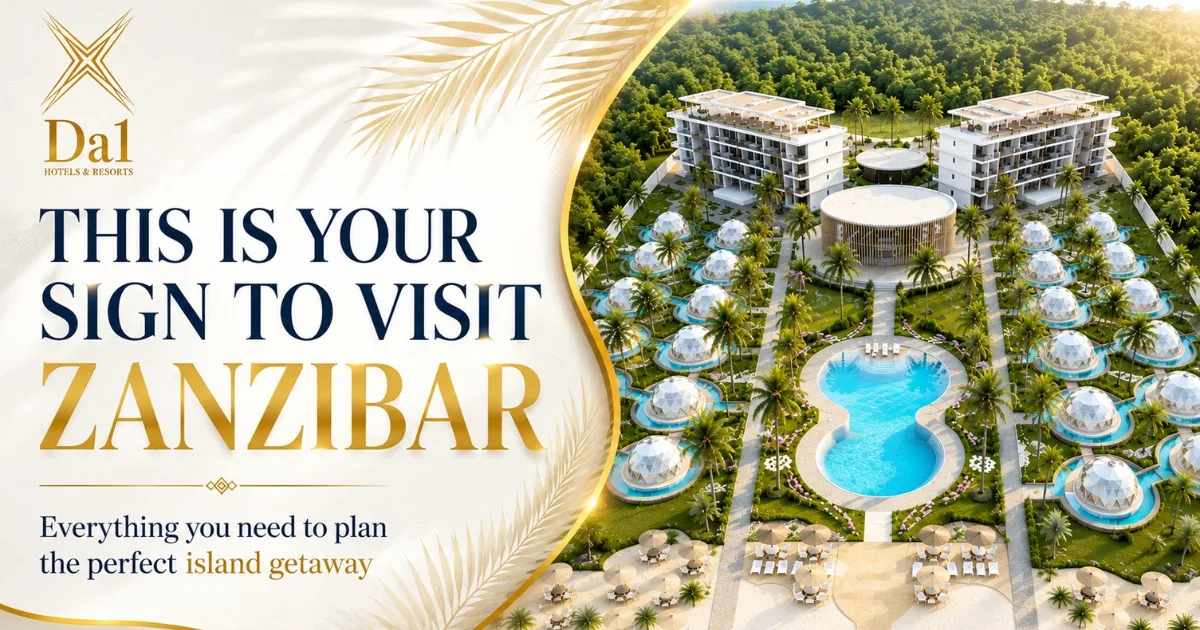
For GCC buyers who want in without wading through the paperwork themselves, Da1 Hotels and Resorts has built its investment projects specifically around getting foreign buyers through the approved leasehold and golden visa process cleanly, so the property purchase and the residency route happen through the same accredited structure. You can browse current Da1 Hotels and Resorts properties in Zanzibar here.
Dubai, For Context
Even Dubai's luxury market, which has been the benchmark for fast growth, is cooling off. Price growth that was near 38 percent has slowed to around 20 percent, with more slowdown expected. That is one more reason GCC money is spreading out. When your home market matures, diversifying stops being optional and starts being smart.
Want to skip the guesswork and just see what is actually available? Browse current luxury properties here before the next price threshold hits.
What It Actually Costs to Buy Abroad
The Hidden Extras
The listed price is never the whole story. Here is a rough breakdown of extra costs across a few active markets.
| Destination | Transfer / Transaction Tax | Notary and Legal Fees | Agency Commission | Typical Total Extra Cost |
|---|---|---|---|---|
| United Kingdom | Stamp Duty, higher rate for overseas buyers | 1 to 1.5% | 1 to 3% (seller usually pays) | 3 to 6% for buyer, more with surcharge |
| Portugal | IMT tax, sliding scale | 1 to 1.5% | Usually seller paid | 6 to 8% |
| Morocco | Registration and notary combined | 1 to 1.5% | Around 3% | Around 10% |
| Greece | Property transfer tax around 3.09% | 1 to 2% | 2% | 6 to 8% |
| United States | Varies by state; some have none | 1 to 2% | 5 to 6% (usually seller paid) | 2 to 5% for buyer |
| Zanzibar | Registration and notary combined | 1 to 1.5% | 2 to 3% | Low single digits to around 10% depending on project |
These numbers shift with local law and currency, so treat them as a rough guide, not a final quote. Always get a written cost breakdown from a local lawyer before signing anything.
Mistakes People Keep Making
Buying Before Checking Tax Residency Rules
Owning a home somewhere does not automatically make you a tax resident there, but spending too many days a year in that country can. Get advice before you cross 90 days anywhere.
Assuming a Golden Visa Deal That No Longer Exists
Like the table above shows, a lot of programs have changed a lot since 2023. Confirm the current rules straight from an immigration lawyer, not a sales brochure, before picking a country based on residency perks. This goes for Zanzibar too. The 100,000 dollar threshold only counts if it goes into a single ZIPA-approved project, so confirm a development's accreditation directly rather than taking a brochure's word for it.
Ignoring Currency Risk
A property that looks cheap in euros or pounds can suddenly look expensive if your income is in Gulf currencies pegged to the dollar and the euro strengthens. Some buyers hedge part of the price; others just time the purchase around a good exchange rate.
Underestimating the Ongoing Bills
Service charges, property tax, insurance, and upkeep on a luxury home abroad can add up to tens of thousands of dollars a year. Ask for five years of service charge history, not just this year's number.
Skipping the In-Person Visit
Photos and video tours will not tell you what a neighborhood feels like at night, how loud it is, or whether the building management actually responds when something breaks. A short trip before buying saves you a much bigger headache later.
A Simple Starting Checklist
Before you wire any money, run through this order:
- Figure out your real goal: lifestyle, rental income, residency, or pure diversification. Each one points to a different country.
- Get a referral to an independent local lawyer who does not work for the developer or agent.
- Confirm current visa and residency rules directly with that country's immigration authority or a licensed lawyer.
- Ask for a full breakdown of purchase costs, yearly holding costs, and exit costs, including capital gains tax.
- Visit the property and the area in person, ideally at two different times of day.
- Check the developer's or seller's track record, including whether they actually deliver projects on time.
The Bottom Line
Buying luxury property outside the GCC is not just "move to London" or "grab any golden visa" anymore. The list of good options is shorter, prices are up in the key cities, and the rules keep shifting. Zanzibar is one of the few places left where the entry point is still low, the golden visa route is still open, and the market has not been fully repriced yet. But the core logic still holds up everywhere. Spreading your wealth across currencies and legal systems, and getting a foothold in a country your family might actually want to live in one day, is still a smart long-term move. The people who get this right treat it like homework first and a lifestyle purchase second, and they move while the terms are still good instead of waiting for the next round of restrictions.
If this guide has you considering a move, don't stop at reading.
See What's Available Now
Browse the full Da1 Hotels and Resorts property portfolio, including current Zanzibar developments, at https://da1group.com/properties and talk to our team about which market fits your goals, your timeline, and your budget.